
What does the strategy decide?
This page is the plan for a B2B SaaS team. Pick the buyer questions to own, decide which of those get a video, name who films and how often, and judge whether your URL shows up. The checklist for one video is in how to get a SaaS video cited.
G2 surveyed 1,076 B2B decision makers in March 2026.1
The same report says 80% still use Google somewhere in the buying journey.1 Plan for the answer and the page. A rank and a citation are two jobs. Whether to fund a channel is in is YouTube worth it for B2B SaaS. The practice is covered in what video AEO is.
Which buyer questions do you own?
Own a question you can see, and that a doc already answers. The Search Console filters and the YouTube search terms are in how to find video questions. Keep one question per video: a comparison, a setup, a demo, or a fix. Which of those already pull a software video is in which software queries cite YouTube.
Search each finalist while signed out. If the overview already cites a YouTube video and your brand is absent, film that question first. If it cites only pages, start with the doc. How a video gets chosen is in how Google picks a video. Leave off a question the docs do not answer yet.
Where does a video sit next to docs?
A video shows the product. The page states the same answer in text, so an assistant that quotes a page still has your words. Which job belongs on which surface is in YouTube or your website. The page around the player is in what an answer video is.
| Item | Video | Doc or page |
|---|---|---|
| The job | Show the steps | State the same answer |
| Price and limits | Leave them off | Keep them on the page |
| Fit | One question | The page for that question |
Use a short answer when the question is narrow, and a tutorial when the buyer has to watch the steps. That choice is in answer video or tutorial. How long to make it, and whether a Short belongs in the plan, are in does length affect citations and Shorts or long-form.
Say the answer first in the script, the description, and the page. Script order is in the script template. The quotable text has its own pages: titles, transcripts, chapters, the description template, key moments, and VideoObject. Why that text is read is in why Google cites a video. The watch-page test is in when the video is not the main content.
How often should a team publish?
Film the next question when the doc is ready. A pace you can review beats a burst you cannot check.
- 01Write down the buyer questions you will own.
- 02Film the next one a doc already answers.
- 03Publish it, then leave the list until the next check.
- 04Search the same questions again and log what the answer cites.
Who does the work?
Name the jobs before you book a shoot. A real face on camera beats an AI avatar for B2B. The buyer should see someone from the team.
| Job | Who |
|---|---|
| The question | Whoever reads Search Console |
| The words | Whoever owns the doc |
| On camera | A person from your team |
| Upload and chapters | That same team, in YouTube |
| The check | Whoever owns the question list |
The person on camera reviews the script before anyone records. Uploading, chapters, and the later search stay with the team.
How do you judge the result?
Keep the question list fixed. On a schedule, search each one while signed out. Log the date, whether an overview appears, whether your URL is cited, and which other URLs are there. Read that log across two or three checks. One refresh is not a result.
What Search Console shows, and the monthly log, are in how to get a SaaS video cited. FoxCue does not track AI Overview citations. A visibility report counts citations. It does not make the video.
A demo-form field asking where the buyer heard about you is a separate note. It is not a citation count.
Where does FoxCue fit?
FoxCue is the video OS for SaaS. It reads your docs, your site, and your Search Console and YouTube data, suggests the next question, and writes the script from sources you approve. It shows the passages it used. A grounding check flags a claim those passages do not support.
 REC · 1:05
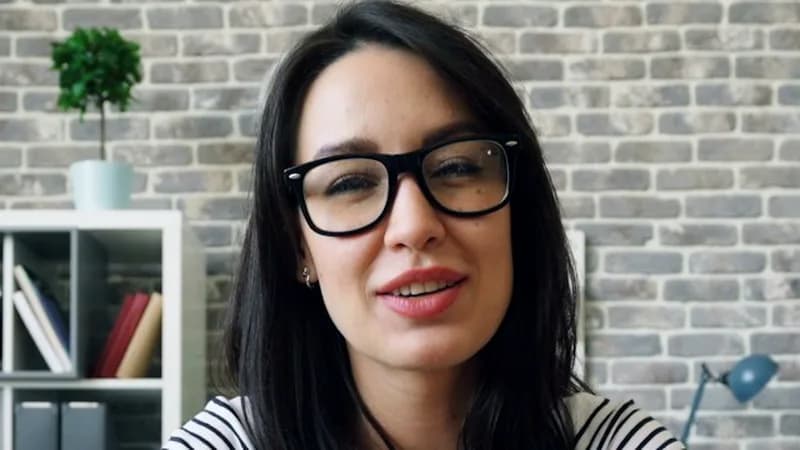
You review the script, then record the screen and the camera with a teleprompter. After you review the take, the edit can cut silences and add captions. You upload the file and add the chapters. Google decides whether to cite it.
Sources
- G2, The Answer Economy, March 2026.